Control Temperature and Moisture Where It Matters
Attic Venting in Quincy for homes with ice dams, excessive heat buildup, or visible mold in attic spaces
Jordan's Roofing installs and upgrades attic ventilation systems for homeowners in Quincy who need better airflow to protect their roofs and reduce energy costs. When your attic lacks proper ventilation, heat and moisture become trapped, causing shingles to age prematurely, insulation to lose effectiveness, and mold to grow along rafters and sheathing. You may notice that your upper floors stay uncomfortably warm in summer, ice dams form along your roof edge in winter, or your energy bills climb without explanation.
This service involves calculating the correct amount of intake and exhaust ventilation your attic needs based on its square footage and roof design, then installing vents that create balanced airflow. Proper ventilation pulls cool air in through soffit vents at the eaves and exhausts hot, moist air through ridge vents or roof-mounted exhaust vents near the peak. Quincy's humid summers and cold winters make balanced attic ventilation especially important, as temperature swings drive condensation and accelerate roof deterioration when airflow is restricted.
Request an inspection from Jordan's Roofing to evaluate your current attic ventilation and identify improvements that will extend your roof's lifespan.
What Proper Ventilation Does for Your Home
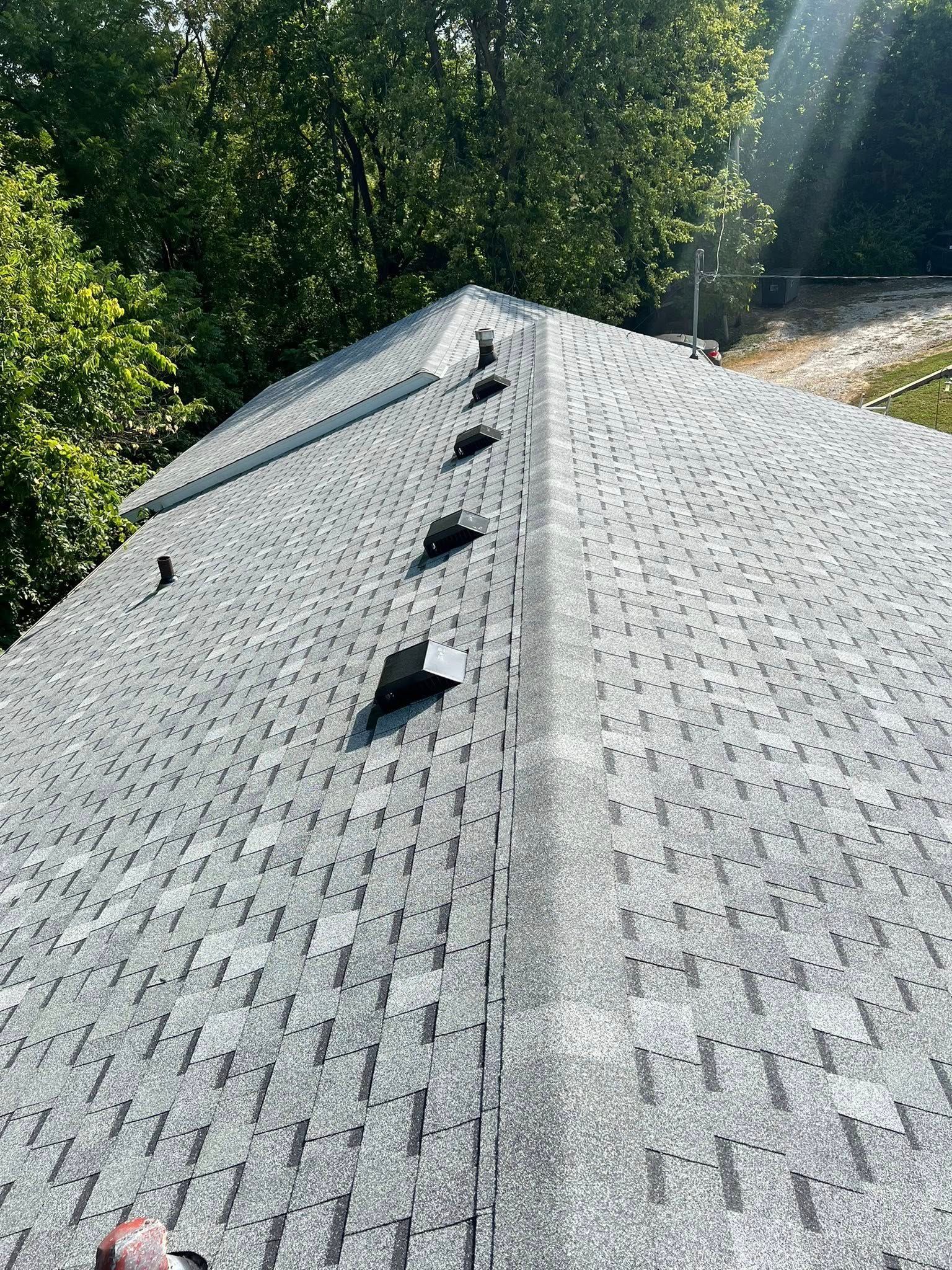
Your attic ventilation upgrade begins with an assessment of existing vents, insulation placement, and airflow pathways. Jordan's Roofing measures attic square footage, checks for obstructions blocking soffit vents, and determines whether your roof has sufficient exhaust capacity to move air out effectively. Ridge vents, box vents, or turbine vents may be installed depending on your roof style and ventilation requirements.
After installation, your attic will maintain temperatures closer to outdoor levels rather than trapping extreme heat. You will notice that your air conditioner runs less frequently in summer, ice dams stop forming in winter, and moisture no longer collects on rafters or insulation. These changes reduce strain on your HVAC system and prevent the gradual damage that shortens roof lifespan and leads to costly repairs.
The work focuses on creating balanced intake and exhaust ventilation according to building standards. It does not include insulation replacement, air sealing unrelated to ventilation pathways, or structural modifications beyond what is necessary to install vents properly.
Common Questions About Attic Ventilation
Homeowners often have questions about how ventilation affects comfort, roof performance, and long-term maintenance.
What happens if my attic does not have enough ventilation?
Your roof shingles age faster due to trapped heat, moisture damages wood framing and insulation, and energy costs rise as your HVAC system works harder to maintain indoor temperatures.
How is attic ventilation calculated for a home?
Ventilation requirements are based on attic square footage, with one square foot of vent area needed for every 150 square feet of attic space when intake and exhaust are balanced.
Why does Quincy's climate make attic ventilation important?
Hot, humid summers create moisture buildup that leads to mold, while cold winters cause ice dams when warm attic air melts snow that refreezes at the roof edge.
What types of vents are used in attic ventilation systems?
Ridge vents run along the roof peak for continuous exhaust, soffit vents provide intake at the eaves, and box or turbine vents offer additional exhaust capacity where needed.
When should I consider upgrading my attic ventilation?
You should upgrade if you notice ice dams, excessive attic heat, mold growth, or if your roof is being replaced and current ventilation is inadequate.
Jordan's Roofing designs attic ventilation systems that match your home's layout and roofing structure. Schedule an evaluation to determine what changes will improve airflow and protect your investment.